Why Dieting Keeps Failing with PCOS (And What Actually Helps)
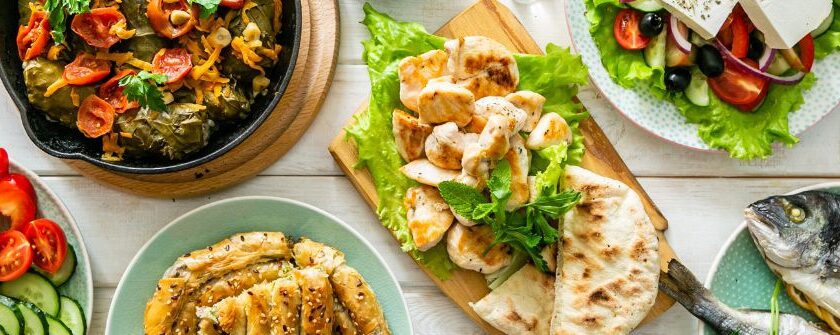
If you’ve tried countless diets for polycystic ovary syndrome (PCOS) and nothing seems to work: you’re not alone, and it’s not your fault.
PCOS affects at least in 10 women of reproductive age, causing irregular periods, difficulty losing weight, acne, excess hair growth, and fertility challenges. But here’s what most generic diet advice misses: PCOS isn’t simply about willpower or eating less.
It’s a hormonal and metabolic condition that requires a completely different nutritional approach.
This article explains why conventional diets fail women with PCOS, what’s actually happening in your body, and which evidence-based strategies genuinely work, without restriction or guilt.
What’s Really Happening with PCOS
PCOS is characterised by three main features (you need any two of three for diagnosis):
- Irregular or absent ovulation (oligoanovulation)
- Elevated androgen levels (testosterone, DHEA-S) or symptoms like acne, hirsutism, hair loss
- Polycystic ovaries on ultrasound (multiple small follicles)
But PCOS goes far beyond these diagnostic criteria. At its core, PCOS involves:
The Insulin-Androgen Cycle:
- 60-70% of women with PCOS have insulin resistance, meaning your cells don’t respond properly to insulin
- Elevated insulin directly stimulates your ovaries to produce excess androgens (testosterone)
- High androgens suppress ovulation and cause symptoms like acne and excess hair growth
- This creates a vicious cycle: insulin → androgens → more insulin resistance
Metabolic consequences:
- Difficulty losing weight (especially abdominal fat)
- Increased risk of type 2 diabetes
- Unfavourable lipid profiles (high LDL, triglycerides; low HDL)
- Chronic low-grade inflammation
- Metabolic dysfunction-associated steatotic liver disease (MASLD) – previously called non-alcoholic fatty liver disease (NAFLD)
Hormonal imbalance:
- Elevated LH:FSH ratio (can be >2.5 when in healthy women this is 1-2)
- Reduced sex hormone binding globulin (SHBG)—meaning more “free” active testosterone
- Increased anti-Müllerian hormone (AMH)
Why Standard Diets Don’t Work for PCOS
1. They ignore insulin resistance
Most diets focus solely on calories. But with PCOS, how your body processes food matters more than how much you eat. High-glycaemic carbohydrates spike blood glucose, triggering excessive insulin release—which directly worsens androgen production and makes weight loss nearly impossible.
2. They’re too restrictive
Severe calorie restriction (below 1200 kcal/day):
- Slows metabolic rate further
- Increases cortisol (stress hormone)
- Often leads to rebound weight gain
- Risks micronutrient deficiencies
- Are unsustainable long-term
3. They don’t address inflammation
PCOS involves chronic low-grade inflammation driven by:
- Dysfunctional adipose tissue (especially visceral fat)
- Elevated inflammatory markers (TNF-α, IL-6, CRP)
- Oxidative stress
- Gut microbiome dysbiosis
Standard low-fat diets often worsen inflammation by emphasising processed “low-fat” foods high in refined carbohydrates.
4. Keto and very low-carb aren’t sustainable
While ketogenic diets show short-term benefits for PCOS (improved insulin sensitivity, reduced androgens), long-term compliance is poor. Restrictive elimination diets:
- Are socially isolating
- Difficult to maintain lifelong
- May worsen disordered eating patterns
- There is lack long-term safety data in PCOS
The Evidence-Based Approach: Mediterranean-Style Eating
Among all dietary patterns studied for PCOS, Mediterranean eating demonstrates the strongest, most consistent evidence for improving both metabolic and reproductive outcomes without extreme restriction.
Why Mediterranean Eating Works for PCOS
1. Addresses insulin resistance directly
Mediterranean eating improves insulin sensitivity through:
- High fibre intake (legumes, vegetables, whole grains) slows glucose absorption and reduces insulin spikes
- Healthy fats (olive oil, nuts, seeds, fish) improve cell membrane function and insulin signalling
- Polyphenols (extra virgin olive oil, herbs, vegetables) enhance glucose metabolism
- Low-glycaemic carbohydrates prevent blood sugar dysregulation
Research confirms Mediterranean dietary patterns significantly reduce fasting glucose, HbA1c, and HOMA-IR (insulin resistance marker) in women with PCOS.
2. Reduces inflammation
Mediterranean foods provide:
- Omega-3 fatty acids from fish reduce inflammatory cytokines
- Antioxidants from vegetables, fruits, olive oil help reduce oxidative stress
- Fibre supports healthy gut microbiome which helps with inflammation
- Anti-inflammatory compounds from herbs, spices, extra virgin olive oil
3. Improves lipid profiles
Women with PCOS often have:
- Elevated LDL cholesterol, total cholesterol, triglycerides
- Reduced HDL cholesterol
Mediterranean eating addresses this by:
- Replacing saturated fats with monounsaturated fats (olive oil)
- Providing omega-3s (oily fish) that lower triglycerides
- Delivering plant sterols (nuts, seeds, legumes) that reduce cholesterol reabsorption from the gut
- Reducing refined carbohydrates that drive triglyceride production
4. Supports hormonal balance
Evidence shows Mediterranean eating:
- Reduces free testosterone levels
- Improves SHBG (binds excess androgens)
- Supports regular menstrual cycles
- Improves ovulation rates
5. Sustainable and enjoyable
For Greek women especially, Mediterranean eating:
- Aligns with cultural food traditions
- Doesn’t require eliminating food groups
- Is socially inclusive (eating with family, friends)
- Is evidence-based without being extreme
- Supports long-term health, not just weight loss
Practical Application: Building Your PCOS-Friendly Plate
Daily foundation:
- Vegetables: Plenty throughout the day – variety and colour
- Legumes: Regular inclusion (lentils, chickpeas, beans, fava beans) – excellent for insulin sensitivity
- Whole grains: Brown rice, wholemeal bread, oats, barley
- Extra virgin olive oil: Primary fat source
- Nuts and seeds: Small handful daily
- Herbs and spices: Generous use
Regular inclusion:
- Fatty fish: Salmon, sardines, mackerel (omega-3s reduce inflammation)
- Eggs: Excellent protein and choline source
- Greek yoghurt: Full-fat, unsweetened (probiotics support gut health)
- Dairy: provide calcium and protein
Moderate consumption:
- Poultry: a few times weekly
- Red meat: Lean cuts, limited portions
Minimise (still ok, just not too regularly):
- Refined carbohydrates: White bread, white rice, pastries, sweets
- Added sugars: Soft drinks, sweets, processed foods
- Ultra-processed foods: Ready meals, packaged snacks
PCOS-specific considerations:
For insulin resistance:
- Pair carbohydrates with protein or fat (e.g. fruit with nuts or Greek yogurt, bread with olive oil, tomato and anthotyro, ricotta or feta)
- Emphasise low-glycaemic foods (legumes, wholegrains over refined grains)
- Consistent meal timing supports glucose regulation
For weight management:
- Adequate protein (supports muscle preservation, satiety)
- Don’t go too low on calories (below 1200 kcal risks metabolic slowdown)
- Resistance exercise essential alongside nutrition
- Focus on body composition not just scale weight
For dyslipidaemia (high LDL, triglycerides, low HDL):
- Replace saturated fats with extra virgin olive oil as primary fat source
- Include fatty fish twice weekly (omega-3s help lower triglycerides)
- Daily handful of unsalted nuts and seeds (can improve lipid profiles)
- Emphasise soluble fibre from legumes, oats, vegetables (binds cholesterol)
- Limit refined carbohydrates and added sugars (drive triglyceride production)
- Plant sterols from nuts, seeds, legumes help reduce LDL cholesterol
Evidence-Based Supplementation for PCOS
Important note: Supplements complement, never replace, dietary intake.
The Foundation: What Everyone with PCOS Should Consider
Vitamin D
Why it matters for PCOS: Women with PCOS have a particularly high risk of vitamin D deficiency. Adequate vitamin D levels support insulin sensitivity, may help reduce testosterone levels, and play a role in ovarian function and follicle development.
Inositol
Why it matters for PCOS: Inositol – especially a combination of myoinositol with d-chiro inositol in a 40:1 ratio (which mirrors the body’s natural ratio) – has the strongest evidence base of any supplement specifically for PCOS. Research demonstrates benefits for cycle regularity, ovulation restoration, improved egg quality, reduced testosterone levels, better blood sugar control, and enhanced fertility outcomes (including improved IVF response).
Targeted Supplements for Specific Situations
Omega-3 Fatty Acids (EPA & DHA)
Who should consider this: Women who don’t regularly consume oily fish (salmon, mackerel, sardines) 1-2 times per week, or those following plant-based diets. Also beneficial if you have elevated triglycerides or inflammatory markers.
Why it matters for PCOS: PCOS is associated with chronic low-grade inflammation. Omega-3s have anti-inflammatory properties and research shows benefits for reducing triglycerides, supporting cardiovascular health, and lowering androgen levels in women with PCOS.
Vitamin B12
Who should consider this: Essential for those taking metformin (a common PCOS medication for insulin resistance) and anyone following a plant-based diet.
Why it matters for PCOS: Metformin can interfere with B12 absorption in the gut, leading to deficiency over time. B12 is crucial for energy production, nervous system function, and DNA synthesis.
Folic Acid (If Planning Pregnancy)
Who should consider this: All women with PCOS who are trying to conceive or may become pregnant.
Why it matters for PCOS: Beyond preventing neural tube defects, folic acid is associated with improved ovulation rates, better egg quality, and shorter time to conception.
Berberine
Who should consider this: Those with significant insulin resistance or metabolic concerns, particularly if unable to tolerate metformin.
Why it matters for PCOS: Research shows berberine may be comparable to metformin for improving insulin sensitivity, reducing androgens, and supporting metabolic health.
Important caution: Berberine can interact with several medications and may lower blood sugar significantly. Do not take without consulting your healthcare provider, especially if you’re on metformin, other diabetes medications, or planning pregnancy.
Additional Supplements with Emerging Evidence
- N-Acetyl Cysteine (NAC): May improve insulin sensitivity and ovulation rates. Antioxidant support for egg quality.
- Magnesium: Supports insulin sensitivity, glucose metabolism, sleep quality, and reduces anxiety. Particularly beneficial if you experience muscle cramps.
- Zinc: Important for immune function, skin health (acne), and hormone balance. Useful for those with low dietary intake.
- Chromium Picolinate: May support glucose metabolism and insulin sensitivity, though evidence is mixed.
- Melatonin: Antioxidant properties may support egg quality. Can also help with sleep disturbances common in PCOS.
Note: All supplements in this section require more research to establish optimal dosing and clear benefits. They should be considered on an individual basis with professional guidance, particularly berberine which has significant interaction risks.
Approach with caution:
- Proprietary “PCOS blends” without evidence
- Weight loss supplements
Important: Always inform your doctor and/or dietitian about supplements, especially if taking metformin or other medications.
When to Seek Professional Support
Consider personalised dietetic support (alongside your medical monitoring) if you’re experiencing:
- Difficulty losing weight despite efforts
- Irregular or absent periods
- Elevated blood glucose, HbA1c, or insulin levels
- Abnormal lipid profiles (high LDL, triglycerides, low HDL)
- Fertility challenges
- Persistent symptoms (acne, hirsutism, hair loss)
- Digestive issues or suspected food intolerances
- History of disordered eating
As a specialist dietitian in women’s hormonal health, I work with women in the UK and internationally to create evidence-based, culturally adapted strategies for PCOS.
Together, we’ll build an approach that:
- Addresses insulin resistance and inflammation
- Supports regular cycles and fertility (if desired)
- Fits your food culture
- Feels sustainable, not restrictive
- Improves long-term metabolic health
Key Takeaways
- PCOS is a hormonal and metabolic condition – Mainstream weight loss advice and calorie counting won’t work
- Insulin resistance drives symptoms – Managing blood sugar is essential
- Mediterranean eating has strongest evidence – Anti-inflammatory, insulin-sensitising, sustainable
- Inositol and vitamin D are well-evidenced – Other supplements should be individualised
- Extreme restriction backfires – Focus on food quality, not just quantity
- Greek food culture is an advantage – Traditional eating aligns with evidence
You don’t need another restrictive diet that fails. You need an approach that addresses the root causes of PCOS while supporting your long-term health and cultural food traditions.
Work With Me
If you’d like personalised support building a PCOS management strategy that addresses your specific needs, explore my PCOS Nutrition Programme or book a free discovery call. Together, we’ll create a sustainable approach to eating that supports your hormones, fertility, and metabolic health.
References
- Di Lorenzo M, Cacciapuoti N, Lonardo MS, et al. Pathophysiology and Nutritional Approaches in Polycystic Ovary Syndrome (PCOS): A Comprehensive Review. Curr Nutr Rep. 2023;12(3):527-544.
- Barrea L, Arnone A, Annunziata G, et al. Adherence to the Mediterranean Diet, Dietary Patterns and Body Composition in Women with Polycystic Ovary Syndrome (PCOS). Nutrients. 2019;11(10):2278.
- Mei S, Ding J, Wang K, Ni Z, Yu J. Mediterranean Diet Combined with a Low-Carbohydrate Dietary Pattern in the Treatment of Overweight Polycystic Ovary Syndrome Patients. Front Nutr. 2022;9:876620.
- Paoli A, Mancin L, Giacona MC, Bianco A, Caprio M. Effects of a ketogenic diet in overweight women with polycystic ovary syndrome. J Transl Med. 2020;18(1):104.
- Teede HJ, Tay CT, Laven JJE, et al. Recommendations From the 2023 International Evidence-based Guideline for the Assessment and Management of Polycystic Ovary Syndrome. J Clin Endocrinol Metab. 2023;108(10):2447-2469.
- NICE Clinical Knowledge Summaries. Polycystic ovary syndrome. https://cks.nice.org.uk/topics/polycystic-ovary-syndrome/
- Unfer V, Facchinetti F, Orrù B, Giordani B, Nestler J. Myo-inositol effects in women with PCOS: a meta-analysis of randomized controlled trials. Endocr Connect. 2017;6(8):647-658.
0 Comment
 Your Greek Dietitian Online
Leave a Reply