Mediterranean Diet for Perimenopause & Menopause: What the Science Really Shows
Perimenopause and menopause mark one of the most significant hormonal transitions in a woman’s life. These changes affect far more than your menstrual cycle: they influence metabolism, body composition, mood, sleep quality, and long-term health risks.
If you’ve been told to simply “eat better and move more,” you already know that advice doesn’t capture the complexity of what’s happening in your body. The truth is more nuanced—and more hopeful.
Nutrition plays a powerful role in managing symptoms and protecting your metabolic health during this transition. Among all dietary patterns studied, the Mediterranean diet consistently demonstrates the strongest evidence for supporting women’s health during midlife.
What’s Actually Happening During Perimenopause?
The perimenopausal transition typically begins several years before your final period. During this phase, fluctuating oestrogen and progesterone levels trigger metabolic changes:
Metabolic shifts:
- Insulin resistance increases – Your body becomes less efficient at processing glucose
- Fat redistribution – Fat storage shifts from hips and thighs to the abdomen, increasing cardiovascular risk
- Basal metabolic rate decreases – You burn fewer calories daily, even with identical activity
- Muscle mass declines – Loss of lean tissue reduces metabolic rate
Cardiovascular and lipid changes:
- LDL cholesterol, total cholesterol, and triglycerides rise significantly
- HDL quality deteriorates, increasing atherosclerotic risk even when numbers look “good”
- Bone turnover accelerates, increasing the risk for osteopenia and osteoporosis.
Mood and cognitive function:
- Neuroinflammation increases
- Neurotransmitter production becomes less efficient
- Sleep quality can worsen
These aren’t minor inconveniences; they’re physiological adaptations that significantly affect quality of life and long-term disease risk. This is why the perimenopausal window represents a critical intervention period.
Why the Mediterranean Diet Works for Midlife Women
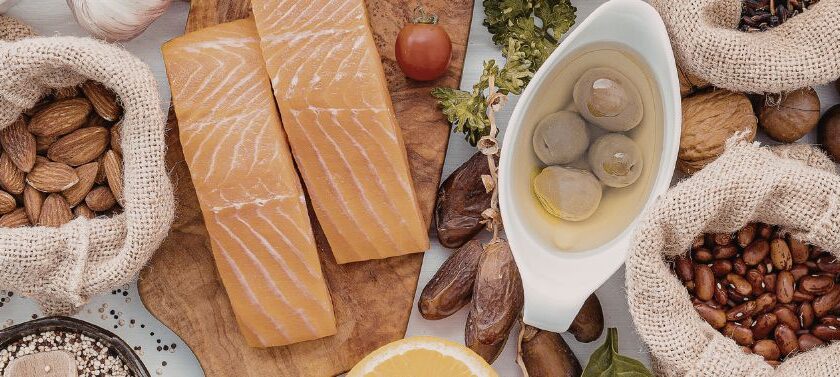
The Mediterranean dietary pattern isn’t a restrictive diet. It’s a flexible, enjoyable way of eating centred on vegetables, fruits, legumes, whole grains, nuts, seeds, olive oil, herbs, and fish. For Greek women, this approach aligns beautifully with traditional food culture, making it both sustainable and culturally meaningful.
1. It Directly Addresses Insulin Resistance
Oestrogen decline impairs insulin-regulating mechanisms. Mediterranean eating counteracts these changes through:
- High fibre intake from vegetables, legumes, and whole grains—slows glucose absorption and helps with insulin resistance
- Healthy fats from olive oil, fish, nuts, and seeds—improve cell function and reduce inflammation
- Polyphenols from extra virgin olive oil, herbs, and vegetables—reduce inflammation and help slow down aging
Research confirms that Mediterranean dietary patterns significantly reduce fasting glucose, HbA1c, and insulin resistance markers in perimenopausal and postmenopausal women.
2. It Improves Lipid Metabolism
The Study of Women’s Health Across the Nation (SWAN)—tracking over 3,300 women—revealed that during late perimenopause, there are sharp increases in LDL cholesterol, total cholesterol, and triglycerides. Importantly, HDL quality matters more than quantity for cardiovascular protection.
Mediterranean eating addresses these changes by:
- Replacing saturated fats with monounsaturated and polyunsaturated fats
- Providing omega-3 fatty acids that reduce triglycerides and inflammation
- Delivering plant sterols that reduce cholesterol reabsorption from the gut
- Keeping refined carbohydrates that drive triglyceride production low
3. It Reduces Menopausal Symptoms
A 2023 meta-analysis examining nutritional interventions for mood and anxiety in menopausal women found significant benefits for both depressive and anxiety symptoms. Combined diet and lifestyle approaches were most effective.
For vasomotor symptoms (hot flashes, night sweats) specifically:
- Higher fruit and vegetable intake associated with reduced hot flush severity
- Omega-3 fatty acids support thermoregulation
- Stable blood glucose reduces symptom triggers
4. It Protects Cognitive Function and Mood
The gut-brain axis plays a crucial role in menopausal mental health. Mediterranean foods support this through:
Direct nutritional support:
- Omega-3 fatty acids – essential for neurotransmitter function
- B vitamins – cofactors in neurotransmitter synthesis
- Tryptophan – precursor to serotonin and melatonin
- Magnesium – reduces anxiety, improves sleep
- Polyphenols – reduce neuroinflammation
Gut microbiome effects:
- Fermented dairy provides probiotics
- High-fibre foods feed beneficial bacteria
- Healthy gut microbiome reduces systemic inflammation
- Gut bacteria can help modulate oestrogen levels
5. It Supports Bone Health
Mediterranean eating naturally provides bone-protective nutrients:
- Calcium: Yoghurt, cheese, tinned sardines (with bones), leafy greens
- Vitamin K: Green leafy vegetables
- Magnesium: Nuts, seeds, legumes, whole grains
- Polyphenols: Extra virgin olive oil, herbs and spices, fruit and vegetables
Practical Application: Building Your Mediterranean Plate
Daily foundation:
- Plenty of vegetables (variety and colour)
- Moderate fruit intake (whole, fresh fruits, limited juices and dried fruit)
- Whole grains as part of your grain intake
- Extra virgin olive oil as primary fat source
- Generous herbs and spices
Regular inclusion:
- Fish, especially oily varieties (salmon, sardines, mackerel)
- Greek yoghurt, lower fat cheese, small fish with bones for calcium
- Legumes (lentils, chickpeas, beans, broad beans)
- Nuts and seeds (small handful daily)
- Eggs
Moderate consumption:
- Poultry
- Red meat (lean cuts, Mediterranean cooking methods)
Minimise (but still ok to have from time to time):
- Processed meats
- Refined grains
- Added sugars
- Ultra-processed foods
Specific considerations for perimenopause:
For insulin resistance:
- Pair carbohydrates with protein or healthy fats
- Emphasise low-glycaemic carbohydrates (legumes, whole grains, vegetables)
- Maintain consistent meal timing
For weight management:
- Ensure adequate protein intake (supports muscle preservation and appetite regulation)
- Combine with resistance exercise
- Focus on nutrient density, not just calorie reduction
For sleep quality:
- Avoid large meals close to bedtime
- Include tryptophan-rich foods at dinner
- Maintain adequate magnesium intake
Evidence-Based Supplementation
Supplements complement, never replace, dietary optimisation.
Strongly supported:
Vitamin D
- Essential for bone health, immune function, mood regulation
- UK deficiency prevalence is high; most perimenopausal women benefit
- Particularly important October–March
Omega-3 fatty acids (EPA/DHA)
- Supports cardiovascular health, reduces inflammation
- May improve mood and vasomotor symptoms
- Important for women with low fish intake
Magnesium
- Supports sleep quality, muscle relaxation, mood
- Deficiency common; symptoms include muscle cramps, poor sleep, anxiety
Conditionally supported:
- Phytosterols – May reduce LDL cholesterol
- Probiotics – May support gut health and mood
- B-vitamin complex – Particularly if dietary intake inadequate
Approach with caution:
- High-dose phytoestrogens without clinical guidance
- Proprietary “menopause blends”
- Weight loss supplements
Important: Always inform your healthcare team about supplements, especially if taking medications.
When to Seek Professional Support
Consider personalised dietetic support if you’re experiencing:
- Unexplained weight gain (especially abdominal)
- Elevated blood glucose or abnormal lipid profiles
- Persistent or severe menopausal symptoms
- Digestive issues
- Complex health needs or multiple conditions
As a specialist dietitian in women’s hormonal health (and being in perimenopause myself!), I work with women in the UK and internationally to create evidence-based, culturally adapted nutrition strategies.
Together, we’ll build an approach that:
- Addresses your specific symptoms and health markers
- Respects your food culture and preferences
- Fits your real life
- Supports long-term metabolic health
- Feels nourishing and sustainable, not restrictive
Key Takeaways
- Perimenopause is a critical metabolic transition – A window for preventive intervention
- Mediterranean eating is evidence-based – Strongest dietary pattern for metabolic health and symptom management in midlife women
- Quality matters more than restriction – Focus on nutrient density
- Protein and resistance exercise are essential – To preserve muscle mass
- Supplements support, don’t replace – Vitamin D and omega-3s are well-evidenced
- Greek food culture is an advantage – Traditional Mediterranean eating aligns perfectly with current evidence
You don’t need to navigate this transition alone. Evidence-based nutrition can meaningfully support your hormones, energy, mood, and long-term wellbeing.
Work With Me
If you’d like personalised support building a Mediterranean approach that addresses your specific needs, explore my Perimenopause & Menopause Nutrition Programme or book a free discovery call to discuss your needs.
Together, we’ll create a sustainable way of eating that supports your health during this transition and beyond.
References
- Erdélyi A, Pálfi E, Tűű L, et al. The Importance of Nutrition in Menopause and Perimenopause—A Review. Nutrients. 2023;16(1):27.
- Grigolon RB, Ceolin G, Deng Y, et al. Effects of nutritional interventions on the severity of depressive and anxiety symptoms of women in the menopausal transition and menopause: a systematic review, meta-analysis, and meta-regression. Menopause. 2023;30(1):95-107.
- Patel P, Patil S, Kaur N. Estrogen and Metabolism: Navigating Hormonal Transitions from Perimenopause to Postmenopause. J Midlife Health. 2025;16(3):247-256.
- British Dietetic Association. Menopause Diet. Food Fact Sheet. https://www.bda.uk.com/resource/menopause-diet.html
- Ko SH, Kim HS. Menopause-Associated Lipid Metabolic Disorders and Foods Beneficial for Postmenopausal Women. Nutrients. 2020;12(1):202.
- Santoro N, Roeca C, Peters BA, Neal-Perry G. The Menopause Transition: Signs, Symptoms, and Management Options. J Clin Endocrinol Metab. 2021;106(1):1-15.
- Zhu J, Zhou Y, Jin B, Shu J. Role of estrogen in the regulation of central and peripheral energy homeostasis. Ther Adv Endocrinol Metab. 2023;14:20420188231199359.
0 Comment
 Your Greek Dietitian Online
Leave a Reply