Intermittent Fasting for Women: What the Research Shows About PCOS, Hormonal Health, and Menopause
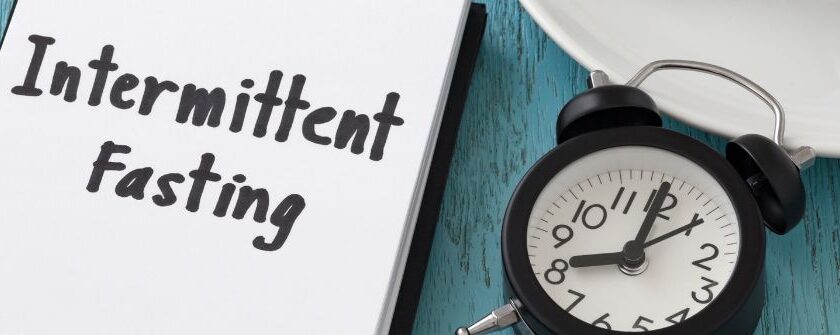
Intermittent fasting (IF) has become very popular in recent years, and many women rightfully wonder whether it’s worth trying. However, the answer isn’t straightforward, as the complexity of the female hormonal system raises questions about the safety of intermittent fasting for those with polycystic ovary syndrome (PCOS), fertility issues, or women going through perimenopause or menopause.
In this article, we’ll examine what recent scientific studies show about intermittent fasting for women. It’s important to note from the outset that research is still in its infancy, with a small number of studies and limited long-term follow-up.
What Is Intermittent Fasting?
Intermittent fasting is an eating pattern that alternates periods of food consumption with periods of fasting. The most common forms of intermittent fasting include:
Time-Restricted Eating (TRE)
The most popular and studied form of intermittent fasting. According to TRE, food consumption is restricted to specific time windows:
- 14:10: Fasting for 14 hours, eating within a 10-hour window
- 16:8: Fasting for 16 hours, eating during the remaining 8 hours
- 12:12: The most “gentle” approach, alternating food consumption in a 12-hour window with an equal 12-hour of fasting
Other Forms
- 5:2 Diet: “Normal” eating for 5 days of the week combined with strict energy restriction (500-600 calories) for the remaining 2 days
- Alternate Day Fasting: Alternating between days of normal eating and days with restricted caloric intake
Intermittent Fasting for Women with PCOS: What the Research Shows
PCOS is one of the most common endocrine disorders affecting women of reproductive age. A systematic review published in January 2025 examined the impact of intermittent fasting on fertility and reproductive hormones in women with PCOS.
Specifically, the preliminary findings showed more regular periods in 33-40% of women, improvement in ovulation rates, improved hormonal profile, reduced insulin resistance and inflammation, and lower body weight.
However, the review had significant limitations: small number of studies and sample size (only 3 studies, with samples of fewer than 30 women each), short duration (8-12 weeks), and methodological differences (different fasting protocols).
In summary, research on intermittent fasting for women with PCOS is still in early stages. In their conclusions, the researchers comment that intermittent fasting may be a promising approach; however, more and better-designed studies are needed before it can be officially recommended as a therapeutic option for PCOS.
Intermittent Fasting for Women in Perimenopause and Menopause
Similarly to PCOS research, studies have shown that intermittent fasting may offer benefits during the transition to menopause, although the data are limited and mixed. For example, regarding weight loss, one study showed that postmenopausal women who followed alternate-day fasting for 24 weeks lost an average of 12% of their body weight, while another showed a 3.3% weight loss in 8 weeks with fasting that allowed a 6-hour window for food consumption.
The results regarding metabolic health were mixed but promising: improvement in insulin sensitivity, reduction in blood pressure, and better lipid profile.
Nevertheless, the authors highlight significant limitations (number and duration of studies, limited data on potential negative effects on bone density, muscle mass, and overall well-being, low compliance).
Important Note
It’s important to note that for women of reproductive age, intermittent fasting carries risks beyond nutritional deficiencies. There’s a theoretical concern that prolonged fasting may signal food scarcity to the body, potentially suppressing fertility as a protective mechanism. For this reason, women trying to conceive should avoid restrictive fasting practices.
Safety Tips: Intermittent Fasting for Women Who Want to Try it
Important: The following information is not a recommendation for intermittent fasting, but guidance for those who choose to try it.
- Start gently (e.g. with a 12:12 window)
- Make sure to have a variety of foods from all food groups during your eating window
- Don’t proceed to more strict protocols without professional guidance, especially if you have hormonal disorders or health problems
- If you notice changes in your cycle, fatigue, or other symptoms, stop immediately
- Don’t try this eating pattern if you are pregnant, breastfeeding, or have a history of eating disorders
- Don’t expect “miracles” – the benefits are usually modest
- Don’t see it as a “failure” if it ultimately doesn’t suit you (few people can follow it long term!)
Why Diet Quality Is More Important
It’s important to note that:
- There are dietary patterns such as the Mediterranean diet with much stronger scientific evidence for cardiovascular health, longevity, and metabolic health
- Many women can achieve their health goals by improving diet quality without needing to impose time restriction rules
- A sustainable eating pattern that you can follow long-term offers more physical and psychological benefits compared to intensive and restrictive interventions that are difficult to adopt for life
If intermittent fasting causes anxiety, leads to unbalanced eating, has negative effects on social life, or is difficult to maintain, focusing on diet quality with a Mediterranean pattern is clearly a safer option.
Conclusion
Intermittent fasting has received considerable interest in recent years. But when it comes to women’s hormonal health, the picture is more complex. For women with PCOS or those in perimenopause, there are initial findings showing potential benefits. However, these are based on a limited number of small, short-duration studies. The researchers themselves emphasise the need for larger, better-designed, and longer-term studies. For premenopausal women who try to conceive, there are theoretical risks to reproductive hormones and fertility that should not be ignored.
The Importance of Individualisation
There’s no single “perfect” diet that works for everyone. What works for each woman is very individual and depends on medical history, psychological factors, preferences, lifestyle, and cultural context.
In my clinical practice, I observe that women at various stages of their lives significantly improve their symptoms and achieve their goals when they focus on diet quality rather than time restrictions.
Remember that your health is not determined only by when or even how much you eat. The overall dietary framework, physical activity, sleep, social situation, and mental health are equally important.
Need Support?
As a dietitian specialising in women’s hormonal health, I offer programmes for PCOS, perimenopause, and fertility based on Mediterranean Diet principles.
PCOS Nutrition Programme
Focus on hormonal balance, insulin resistance management, and maintaining muscle mass.
Perimenopause & Menopause Programme
Support for symptom management, weight regulation, and maintaining bone and muscle health.
[Book Free Discovery Call]
Note: The information in this article is intended for educational purposes and does not replace medical advice. Always consult a healthcare professional before changing your diet or lifestyle.
References
- Velissariou M, et al. (2025). The impact of intermittent fasting on fertility: A focus on polycystic ovary syndrome and reproductive outcomes in women-A systematic review. Metabolism Open, 25, 100341.
- Nutrients. (2024). Effect of Intermittent Fasting on Anthropometric Measurements, Metabolic Profile, and Hormones in Women with Polycystic Ovary Syndrome: A Systematic Review and Meta-Analysis. Nutrients, 17(15), 2436.
- Mao L, et al. (2024). Effects of intermittent fasting on female reproductive function: a review of animal and human studies. Current Nutrition Reports, 13(4), 786-799.
- Kalam F, et al. (2023). Effect of time-restricted eating on sex hormone levels in premenopausal and postmenopausal females. Obesity (Silver Spring), 31(Suppl 1), 57-62.
- Journal of Mid-Life Health. (2025). Intermittent Fasting and Weight Management at Menopause. Journal of Mid-Life Health.
- Al Zunaidy NA, et al. (2024). The effect of Ramadan intermittent fasting on anthropometric, hormonal, metabolic, inflammatory, and oxidative stress markers in pre-and post-menopausal women. Frontiers in Nutrition, 11, 1437169.
- Kalsekar AS, et al. (2024). Effect of calorie restriction and intermittent fasting on glucose homeostasis, lipid profile, inflammatory, and hormonal markers in patients with polycystic ovary syndrome: a systematic review. Frontiers in Nutrition, 11, 1362226.
- Clinical Nutrition ESPEN. (2025). The impact of intermittent fasting and Mediterranean diet on older adults’ physical health and quality of life: A randomized clinical trial.
- Mattson MP, et al. (2019). Effects of Intermittent Fasting on Health, Aging, and Disease. New England Journal of Medicine, 381(26), 2541-2551.
0 Comment
 Your Greek Dietitian Online
Leave a Reply